 National Addiction Treatment Centers
6700 Eucalyptus Drive, Suite A, Bakersfield, CA, 93306
Active
- Hospital inpatient
- Medicaid
- Medicare
City
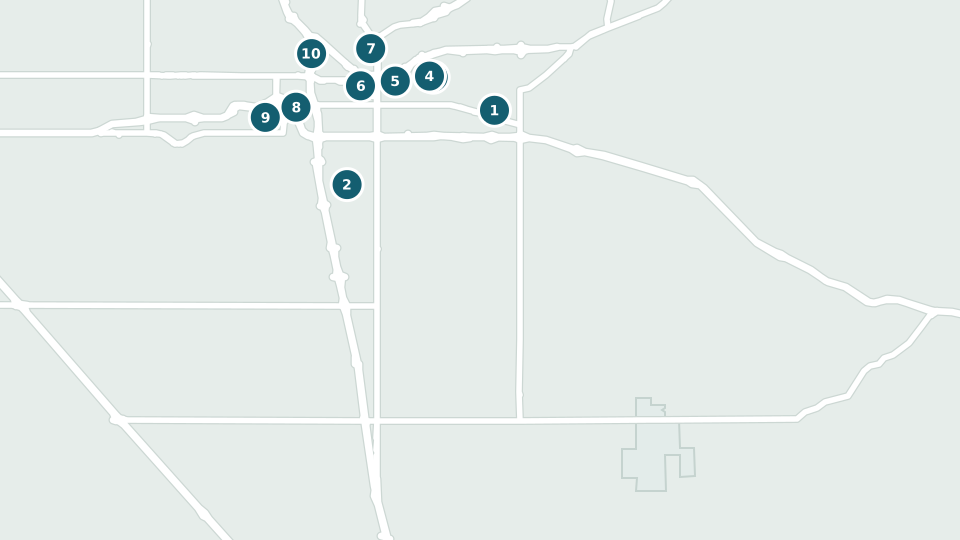
10 options near Arvin, CA, nearest first. Compare services and locations, then call to check availability.
Call (888) 315-1695Ask about your optionsThis number connects to our central helpline, not directly to a listed facility.
Check which services are available for your needs.
Confirm payment options and any waiting time directly.
Ask what information the program needs from you.
When you first reach out to a program in the Arvin area, you can expect a conversation about your situation and what you are looking for. Programs like WestCare California Inc and Aegis Treatment Centers LLC are licensed by the state of California, meaning they meet specific standards for providing substance use care. Your first call is a chance to ask practical questions: what services are offered, whether the program fits your schedule, and what the next step is for an assessment.
Some locations, such as La Vida Nueva and Brotherhood Center, are licensed as non-residential programs, so you would attend sessions during the day and return home afterward. Others, like those under WestCare's residential license, may involve staying at the facility for a period of time. When you visit, staff will typically review your needs and help you understand what level of care makes sense for you.
You do not need to have every answer ready; the program is there to guide you through the process. It is also reasonable to ask about the program's approach, what a typical day looks like, and how they handle questions about your care plan. The goal of the first contact is simply to see whether the program feels like a good fit and to get clear on what happens next.
Call (888) 315-1695
When you compare addiction treatment centers, the most practical starting point is the level of care each one offers. Some programs are residential, meaning you live at the facility for a set period. Others are outpatient, which means you attend sessions during the day and return home afterward.
Some centers also offer partial hospitalization or intensive outpatient programs, which sit between the two in time commitment. Because each center is different, ask directly what levels of care it provides and how it decides where someone starts.
Call (888) 315-1695Check which services each program reports offering.
Consider travel distance and whether care is in person or remote.
Ask the program directly about payment and coverage.
Confirm how to contact the program and what to expect.
When you call an addiction treatment center for the first time, the conversation goes better with a short list of questions. Ask what levels of care the program offers and which one staff would recommend for your situation. Ask what the daily or weekly schedule looks like and how long treatment typically lasts.
Ask about cost, which insurance plans are accepted, and what out-of-pocket expenses to expect. Finally, ask how soon an assessment can happen and whether there is a waiting list.
In California, the cost of care at addiction treatment centers is commonly managed through private health insurance plans, including those purchased through the state's marketplace. Many programs accept PPOs and HMOs, but coverage varies by plan and provider network. Public options such as Medi-Cal and Medicare may cover treatment at certified facilities, though eligibility must be confirmed directly with the program.
Facilities frequently offer sliding-scale fees based on income, and self-pay arrangements are always available. It is essential to verify payment terms with the specific center, as not all facilities accept every form of insurance or public program.
Start with the kinds of care relevant to your needs.
Check each program’s listed services, location and contact details.
Contact a program to confirm availability, costs and the next step.
Choosing among addiction treatment centers comes down to fit rather than a single ranking. Start with whether the program offers the level of care you need, such as residential, intensive outpatient, or standard outpatient. Then compare the treatment approaches each center uses, such as counseling, group therapy, or medication-supported care, and whether those approaches match what you are comfortable with.
Practical factors matter too: distance from home, cost and insurance acceptance, and whether the schedule works with your job or family responsibilities. Calling two or three programs and asking the same questions makes the differences easier to see.
When you first reach out to a program in the Arvin area, you can expect a conversation about your situation and what you are looking for.

If you or someone near you is in immediate danger, call 911 right away. This applies to any situation that feels life-threatening, including overdose, serious injury, or thoughts of harming yourself or someone else. You can also reach the national 988 Suicide and Crisis Lifeline by calling or texting 988 for urgent support.
These services exist to respond quickly, and using them is never an overreaction.
If you or someone else is in immediate danger, call 911 now.
Call (888) 315-16956700 Eucalyptus Drive, Suite A, Bakersfield, CA, 93306
Active
2901 South H Street, Bakersfield, CA, 93304
Active
2151 College Avenue, Bakersfield, CA, 93305
Active
1700 Mount Vernon Avenue, Bakersfield, CA, 93306
Active
1124 Baker Street, Bakersfield, CA, 93305
Active
1018 21st Street, Bakersfield, CA, 93301
Active
501 West Columbus Street, Bakersfield, CA, 93301
Active
4540 California Avenue, Suite 560, Bakersfield, CA, 93309
Active
6001 Truxtun Avenue, Suites 100 and 110, Bakersfield, CA, 93309
Active
3801 Buck Owens Boulevard, Suite 105, Bakersfield, CA, 93308
Active
These lists use only what the 10 active facilities listed for Arvin report to SAMHSA's FindTreatment.gov. No facility pays to be included or can ask to be moved. Reporting more options is not a measure of quality, outcomes or suitability for any person. A missing option means the facility did not report it to the source, not that it is not offered. Call the facility to confirm everything before relying on it.
How this list is made: each facility scores one point for each of these 5 levels of care (settings) it reports to SAMHSA's FindTreatment.gov (Residential (24-hour); Outpatient; Intensive outpatient; Partial hospitalization / day treatment; Hospital inpatient). A facility needs at least 3 to appear. Facilities are shown from the highest count to the lowest; facilities with the same count are in alphabetical order, which has no other meaning. Up to 10 are shown.
How this list is made: each facility scores one point for each of these 7 payment and cost-assistance options it reports to SAMHSA's FindTreatment.gov (Medicaid; Medicare; Private health insurance; Military insurance (TRICARE); Cash or self-payment; Sliding fee scale; Payment assistance). A facility needs at least 4 to appear. Facilities are shown from the highest count to the lowest; facilities with the same count are in alphabetical order, which has no other meaning. Up to 10 are shown.
How this list is made: each facility scores one point for each of these 4 medications used in treatment it reports to SAMHSA's FindTreatment.gov (Buprenorphine; Methadone; Naltrexone; Medication for alcohol use disorder). A facility needs at least 2 to appear. Facilities are shown from the highest count to the lowest; facilities with the same count are in alphabetical order, which has no other meaning. Up to 10 are shown.
How this list is made: each facility scores one point for each of these 12 age groups and client groups accepted it reports to SAMHSA's FindTreatment.gov (Adolescents; Young adults; Adults; Seniors; Pregnant or postpartum women; Adult women; Adult men; Veterans; Active duty military; Criminal justice clients; Clients who have experienced trauma; Co-occurring mental and substance use disorders). A facility needs at least 5 to appear. Facilities are shown from the highest count to the lowest; facilities with the same count are in alphabetical order, which has no other meaning. Up to 10 are shown.
It helps to ask what level of care they provide, whether it is residential or non-residential, what a typical day involves, and how they handle an initial assessment. You can also ask what the next step is after your first call or visit.
No. You can describe your situation in your own words and ask the program to help you understand what might work best. Many facilities are licensed to offer different types of care, so they can explain the options and help you figure out a starting point.
Most addiction treatment centers begin with an assessment, which is a conversation about your substance use, health history, and daily circumstances. Based on that conversation, staff recommend a level of care, such as residential, intensive outpatient, or standard outpatient. You can ask what the assessment covers and how soon it can be scheduled before you commit to anything.
It varies by program, so this is one of the first things to ask. Some centers accept certain insurance plans, some work with public funding, and others rely on private payment. Before your first appointment, ask what forms of payment the facility accepts, what your expected out-of-pocket costs might be, and whether staff can help you check your benefits.
Many people worry about privacy, and it helps to know that federal law provides confidentiality protections for people receiving substance use treatment. Programs generally cannot share your information without your permission, with limited exceptions required by law. If privacy is a concern, ask the center directly to explain its confidentiality policies during your first call.
Last updated