 National Addiction Treatment Centers
25 North Winfied Road, Winfield, IL, 60190
Active
- Hospital inpatient
- Medicaid
- Medicare
- Private insurance
City
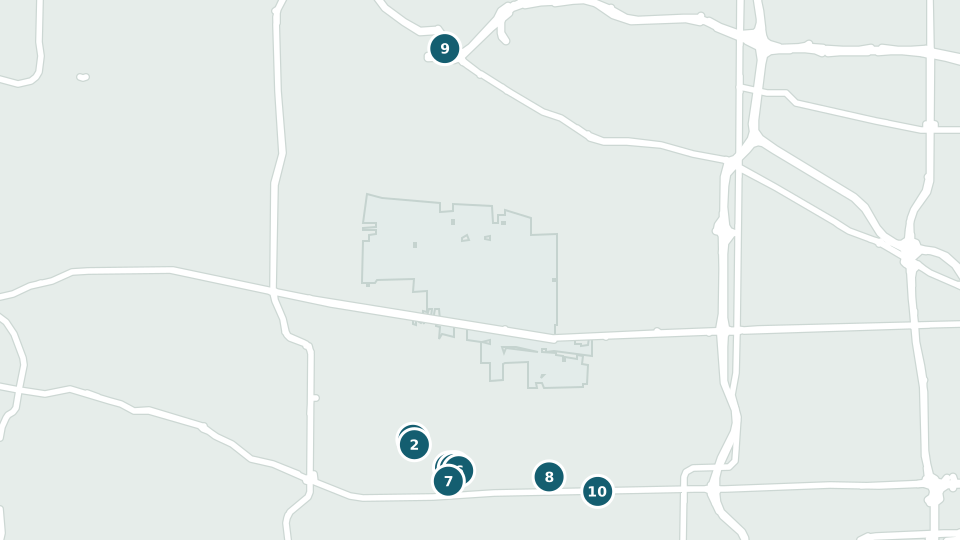
10 options near Carol Stream, IL, nearest first. Compare services and locations, then call to check availability.
Call (888) 315-1695Ask about your optionsThis number connects to our central helpline, not directly to a listed facility.
Check which services are available for your needs.
Confirm payment options and any waiting time directly.
Ask what information the program needs from you.
This page lists 10 facilities to help compare options near Carol Stream, IL.
Call (888) 315-1695
Addiction treatment centers offer different levels of care, and the right one depends on how much structure and support you need. The most common options include inpatient or residential programs, where you live at the facility during treatment, and outpatient programs, where you attend sessions during the day and return home afterward. Some centers also offer partial hospitalization or intensive outpatient programs, which sit between those two in terms of time commitment.
When you contact a center, ask which levels of care they actually provide and how they decide which level fits each person.
Call (888) 315-1695Check which services each program reports offering.
Consider travel distance and whether care is in person or remote.
Ask the program directly about payment and coverage.
Confirm how to contact the program and what to expect.
Which levels of care do you offer, and how do you decide which one I need? What is a typical daily or weekly schedule? How long do most people stay in the program?
What types of counseling and therapy do you provide? Do you treat other mental health conditions alongside addiction? What support is available for family members?
What happens after the program ends? What does the program cost, and do you accept my insurance? Can you tell me, in writing, what my insurance would cover?
What should I bring, and what can't I bring?
Across Illinois, people exploring addiction treatment centers generally encounter a few common ways to cover the cost of care. Many rely on private health insurance, which frequently includes behavioral health benefits that can apply to substance use treatment, though the details of coverage vary by plan. Public coverage options, such as Medicaid, are also available to eligible Illinois residents and can help make treatment more accessible.
Because eligibility and covered services differ, it is always wise to confirm your specific benefits directly with your insurer or the treatment provider before beginning a program. For those without insurance, many addiction treatment centers offer sliding-scale fees based on income, and self-pay arrangements are another straightforward option for some individuals and families.
Start with the kinds of care relevant to your needs.
Check each program’s listed services, location and contact details.
Contact a program to confirm availability, costs and the next step.
When you compare addiction treatment centers nearby, start with the basics: which levels of care each one offers, whether they treat the substance or behavior you're concerned about, and how long their programs run. Ask what a typical week looks like, including individual counseling, group sessions, and any support for family members. Find out what happens after the main program ends, since ongoing support often matters as much as the initial phase.
Practical details matter too, such as whether the location works with your schedule, transportation, and living situation. Calling two or three centers and comparing how they answer the same questions can tell you a lot.
This page lists 10 facilities to help compare options near Carol Stream, IL.

If someone is in immediate danger, such as a suspected overdose, serious injury, or thoughts of harming themselves or others, call 911 right away. Stay with the person if you can, and tell the dispatcher exactly what you observe. You can also call or text 988 to reach the Suicide and Crisis Lifeline for urgent mental health and substance use crises.
These services are available around the clock and can connect you with local help.
If you or someone else is in immediate danger, call 911 now.
Call (888) 315-169525 North Winfied Road, Winfield, IL, 60190
Active
27W350 High Lake Road, Winfield, IL, 60190
Active
117 North County Farm Road, Wheaton, IL, 60187
Active
111 North County Farm Road, Wheaton, IL, 60187
Active
115 North County Farm Road, Wheaton, IL, 60187
Active
2100 Manchester Road, Building B, Suite 1075-A, Wheaton, IL, 60187
Active
373 South County Farm Road, Wheaton, IL, 60187
Active
222 East Willow Avenue, Wheaton, IL, 60187
Active
1515 East Lake Street, Suite 202, Hanover Park, IL, 60133
Active
1506 East Roosevelt Road, Wheaton, IL, 60187
Active
These lists use only what the 10 active facilities listed for Carol Stream report to SAMHSA's FindTreatment.gov. No facility pays to be included or can ask to be moved. Reporting more options is not a measure of quality, outcomes or suitability for any person. A missing option means the facility did not report it to the source, not that it is not offered. Call the facility to confirm everything before relying on it.
How this list is made: each facility scores one point for each of these 5 levels of care (settings) it reports to SAMHSA's FindTreatment.gov (Residential (24-hour); Outpatient; Intensive outpatient; Partial hospitalization / day treatment; Hospital inpatient). A facility needs at least 3 to appear. Facilities are shown from the highest count to the lowest; facilities with the same count are in alphabetical order, which has no other meaning. Up to 10 are shown.
How this list is made: each facility scores one point for each of these 7 payment and cost-assistance options it reports to SAMHSA's FindTreatment.gov (Medicaid; Medicare; Private health insurance; Military insurance (TRICARE); Cash or self-payment; Sliding fee scale; Payment assistance). A facility needs at least 4 to appear. Facilities are shown from the highest count to the lowest; facilities with the same count are in alphabetical order, which has no other meaning. Up to 10 are shown.
How this list is made: each facility scores one point for each of these 4 medications used in treatment it reports to SAMHSA's FindTreatment.gov (Buprenorphine; Methadone; Naltrexone; Medication for alcohol use disorder). A facility needs at least 2 to appear. Facilities are shown from the highest count to the lowest; facilities with the same count are in alphabetical order, which has no other meaning. Up to 10 are shown.
How this list is made: each facility scores one point for each of these 12 age groups and client groups accepted it reports to SAMHSA's FindTreatment.gov (Adolescents; Young adults; Adults; Seniors; Pregnant or postpartum women; Adult women; Adult men; Veterans; Active duty military; Criminal justice clients; Clients who have experienced trauma; Co-occurring mental and substance use disorders). A facility needs at least 5 to appear. Facilities are shown from the highest count to the lowest; facilities with the same count are in alphabetical order, which has no other meaning. Up to 10 are shown.
When you contact a program, it's reasonable to ask what services they offer, whether they have openings, what the intake process looks like, and how costs and coverage are handled. You can also ask whether family members can be involved and what ongoing support is available after the initial phase of care.
A first visit is usually a conversation rather than a commitment. A staff member will ask about your history, health, and goals, and you'll have a chance to ask questions about how the program works and whether it feels like a good fit. You don't have to decide anything on the spot.
Length varies by the level of care and the program's approach. Residential programs often run from a few weeks to a few months, while outpatient care can continue for longer with fewer hours each week. Many people also step down from more intensive care to less intensive care over time. Ask each center how they set their program length and whether it can be adjusted.
In many cases, yes. Many centers accept private health insurance, Medicaid, or Medicare, and some offer sliding-scale fees or payment plans. Coverage details depend on your specific plan and the type of care, so it's worth calling both your insurer and the center to confirm before you commit. Ask the center's admissions staff to verify your benefits in writing.
Most centers have an admissions or intake process that starts with a phone call. During that call, staff typically ask about substance use history, health conditions, and what kind of support you're looking for. Some people worry about being judged, but admissions staff talk to people in this situation every day. You do not have to have everything figured out before you call; reaching out is the first step.
Last updated