 National Addiction Treatment Centers
422 Tracy Court, Crystal Lake, IL, 60014
Active
- Outpatient
- Medication-assisted treatment
- Medicaid
- Private insurance
City
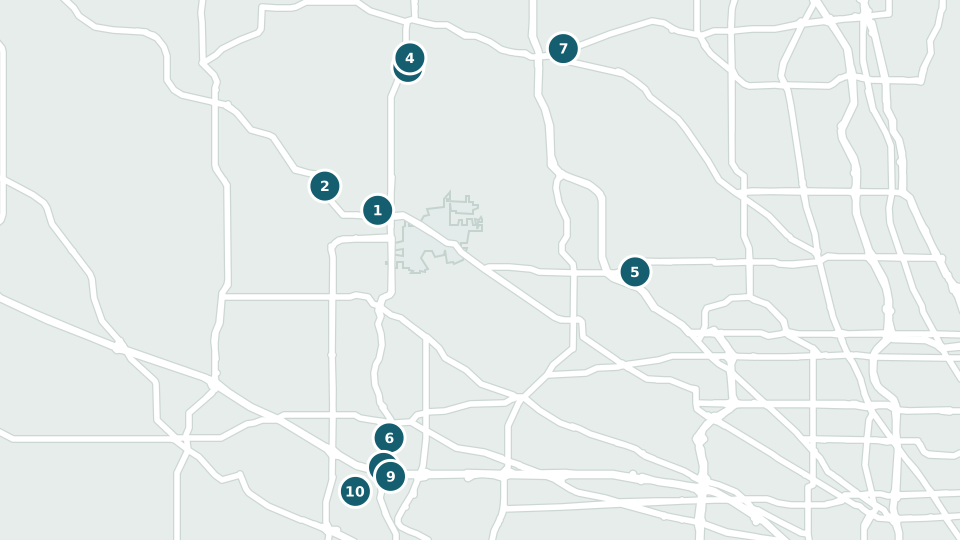
10 options near Cary, IL, nearest first. Compare services and locations, then call to check availability.
Call (888) 315-1695Ask about your optionsThis number connects to our central helpline, not directly to a listed facility.
Check which services are available for your needs.
Confirm payment options and any waiting time directly.
Ask what information the program needs from you.
When you contact a program near Cary, a good first step is to ask what a first visit involves. Most providers will begin with an intake conversation: they will ask about your situation, what kind of support you are looking for, and any preferences you have, such as meeting in person or talking by phone. It is fair to ask who provides the care, what ages they serve, what services are available at that location, and whether they can help with concerns specific to teenagers or young adults — one area program serves adolescents (Rosecrance Inc, Crystal Lake).
You can also ask whether family members can take part, how often sessions happen, and what the next step would be if the program is not the right fit. You do not need to have everything figured out before calling; programs are used to answering these questions from people at the very start of looking for help.
Call (888) 315-1695
Addiction treatment centers vary in structure, and understanding the main options helps you narrow the field. At one end, inpatient or residential care involves staying at the program full time. At the other, standard outpatient care may involve one or a few appointments a week.
In between, many programs offer day programs or intensive outpatient tracks for people who need more support than weekly visits but cannot live on site. When you call a center, ask which of these it actually offers and whether it helps people move between levels as needs change.
Call (888) 315-1695Check which services each program reports offering.
Consider travel distance and whether care is in person or remote.
Ask the program directly about payment and coverage.
Confirm how to contact the program and what to expect.
A first call to a treatment center is your chance to gather facts before committing. Useful questions include: What types of counseling and therapy does the program provide? Is medication-supported treatment available if that matters to you?
How does the program involve family, if at all? What happens if someone relapses during treatment? And practically, what are the admission steps, the costs, and the expected start date?
Payment for care at addiction treatment centers in Illinois usually comes from a handful of sources. Most often, individuals use private insurance, and behavioral health benefits under many plans can help offset the cost of substance use treatment. Residents who qualify for public coverage, such as Medicaid, may find that it opens additional doors to care, though confirming your eligibility and the specifics of what is covered is an important first step.
Beyond insurance, sliding-scale fees are a common offering, allowing costs to be adjusted based on income and ability to pay. Self-pay is also available for those who prefer to fund treatment directly, giving people without insurance a way to access the support they need.
Start with the kinds of care relevant to your needs.
Check each program’s listed services, location and contact details.
Contact a program to confirm availability, costs and the next step.
A few concrete criteria can help you decide between nearby programs. First, confirm the level of care available and whether the program can adjust it if your needs change. Second, ask what a typical week looks like, including how many hours of counseling or group sessions are involved.
Third, compare logistics: what insurance is accepted, what out-of-pocket costs to expect, and how far the facility is from home or work. Fourth, ask how the program handles relapse or setbacks, since responses vary widely. Writing down answers from each call keeps the comparison honest.
When you contact a program near Cary, a good first step is to ask what a first visit involves.

For any emergency, the fastest route to help is calling 911. Operators can send medical responders, law enforcement, or both, depending on what the situation calls for. If the concern involves a mental health or substance use crisis but is not immediately life-threatening, calling or texting 988 connects you with the national crisis line, which is staffed around the clock.
Do not wait to see whether a crisis resolves on its own before reaching out.
If you or someone else is in immediate danger, call 911 now.
Call (888) 315-1695422 Tracy Court, Crystal Lake, IL, 60014
Active
101 North Virginia Street, Suite 125, Crystal Lake, IL, 60014
Active
3901 Mercy Drive, McHenry, IL, 60050
Active
3715 Municipal Drive, McHenry, IL, 60050
Active
365 Surryse Road, Suite 120, Lake Zurich, IL, 60047
Active
737 State Route 31, Century Plaza, Dundee, IL, 60118
Active
31979 North Fish Lake Road, Round Lake, IL, 60073
Active
420 Airport Road, Suite C, Elgin, IL, 60123
Active
411 West River Road, Elgin, IL, 60123
Active
1523 Weatherstone Lane, Suite 1-A, Elgin, IL, 60123
Active
These lists use only what the 10 active facilities listed for Cary report to SAMHSA's FindTreatment.gov. No facility pays to be included or can ask to be moved. Reporting more options is not a measure of quality, outcomes or suitability for any person. A missing option means the facility did not report it to the source, not that it is not offered. Call the facility to confirm everything before relying on it.
How this list is made: each facility scores one point for each of these 5 levels of care (settings) it reports to SAMHSA's FindTreatment.gov (Residential (24-hour); Outpatient; Intensive outpatient; Partial hospitalization / day treatment; Hospital inpatient). A facility needs at least 3 to appear. Facilities are shown from the highest count to the lowest; facilities with the same count are in alphabetical order, which has no other meaning. Up to 10 are shown.
How this list is made: each facility scores one point for each of these 7 payment and cost-assistance options it reports to SAMHSA's FindTreatment.gov (Medicaid; Medicare; Private health insurance; Military insurance (TRICARE); Cash or self-payment; Sliding fee scale; Payment assistance). A facility needs at least 4 to appear. Facilities are shown from the highest count to the lowest; facilities with the same count are in alphabetical order, which has no other meaning. Up to 10 are shown.
How this list is made: each facility scores one point for each of these 4 medications used in treatment it reports to SAMHSA's FindTreatment.gov (Buprenorphine; Methadone; Naltrexone; Medication for alcohol use disorder). A facility needs at least 2 to appear. Facilities are shown from the highest count to the lowest; facilities with the same count are in alphabetical order, which has no other meaning. Up to 10 are shown.
How this list is made: each facility scores one point for each of these 12 age groups and client groups accepted it reports to SAMHSA's FindTreatment.gov (Adolescents; Young adults; Adults; Seniors; Pregnant or postpartum women; Adult women; Adult men; Veterans; Active duty military; Criminal justice clients; Clients who have experienced trauma; Co-occurring mental and substance use disorders). A facility needs at least 5 to appear. Facilities are shown from the highest count to the lowest; facilities with the same count are in alphabetical order, which has no other meaning. Up to 10 are shown.
Ask about the ages they serve, whether they offer counseling or other support for families, and how a first appointment works. It is reasonable to call more than one program before deciding, and to ask any question that matters to you without feeling like a bother.
Reaching out usually starts with a phone call or a short intake conversation where the program asks about your situation and explains what they provide. You are not obligated to commit to anything during that first contact, and you can take time to decide.
Length of stay depends on the level of care and your individual needs rather than a fixed rule. Residential programs often run for several weeks to a few months, while outpatient care may continue for months with a schedule that adjusts over time. Ask any program you are considering how it decides when someone is ready to step down or finish, since approaches differ.
Yes, and that is a common and useful question to ask early. Many programs offer family sessions, education for loved ones, or separate support for partners and children. Some limit family involvement to certain phases of treatment, while others involve families throughout. Ask each center directly how it includes family and what that looks like in practice.
This is a fair and frequent concern. Most programs build treatment around a combination of individual counseling, group sessions, and education, and you can choose how much you share in groups. Attending an assessment or a first session does not lock you into a program, and you can ask questions before deciding anything. If one approach does not feel right, asking about alternatives is part of normal treatment planning.
Last updated