 National Addiction Treatment Centers
200 Hawkins Drive, 5 Boyd Tower, Iowa City, IA, 52242
Active
- Day treatment
- Detox
- Medication-assisted treatment
- Medicaid
City
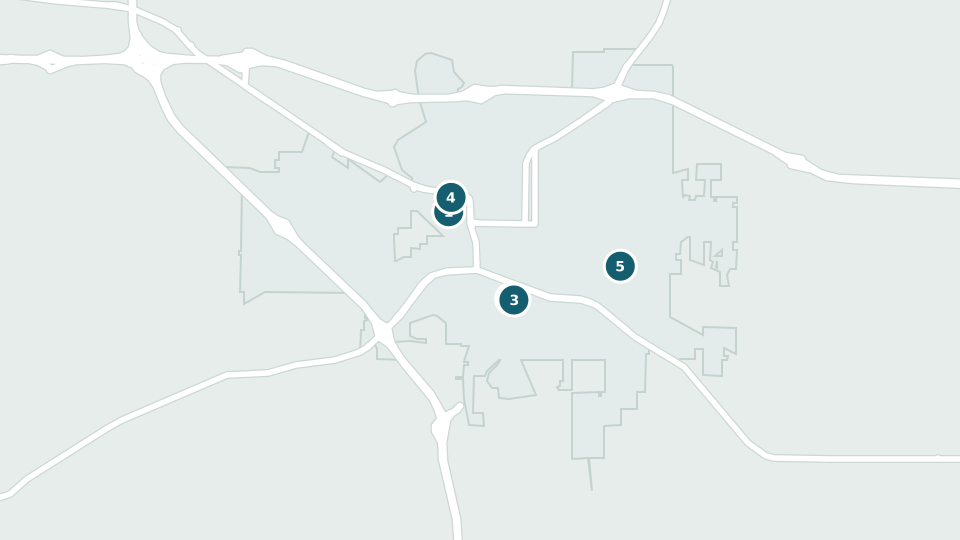
5 options near Iowa City, IA, nearest first. Compare services and locations, then call to check availability.
Call (888) 315-1695Ask about your optionsThis number connects to our central helpline, not directly to a listed facility.
Check which services are available for your needs.
Confirm payment options and any waiting time directly.
Ask what information the program needs from you.
When you contact a program in Iowa City for help with substance use, it helps to know what questions to ask before your first visit. You can ask what ages the program serves, since some locations offer care for adolescents as well as adults. If you are also dealing with a mental health concern alongside substance use, ask whether the program treats co-occurring conditions, sometimes called a dual diagnosis.
You can also ask which types of insurance are accepted, such as Medicaid or Medicare, and whether the program offers outpatient visits that fit around work, school, or family responsibilities. A first appointment usually includes a conversation about your health history, your goals, and what kind of support would work best for you, so bringing a list of questions and any insurance details can make the visit easier.
Call (888) 315-1695
Addiction treatment centers usually offer care at different levels of intensity, and the right one depends on how much support you need. Outpatient programs let you live at home while attending sessions during the week, which works for many people with steady routines. Intensive outpatient and partial hospitalization programs involve more hours of treatment each week while still allowing you to sleep at home.
Residential care means living at the facility for the length of the program, which removes you from daily triggers and gives round-the-clock structure. When comparing options, ask what levels of care each center actually provides, how long each level lasts, and how staff decide when someone should move up or down to a different level.
Call (888) 315-1695Check which services each program reports offering.
Consider travel distance and whether care is in person or remote.
Ask the program directly about payment and coverage.
Confirm how to contact the program and what to expect.
Questions worth asking on a first call: Do you treat the substance or situation I am dealing with? What levels of care do you offer, from outpatient through residential? What does a typical week in the program look like?
What does the program cost in total, and what insurance do you accept? How long does the program usually last, and what happens if I need to stop or change levels? Who will actually be providing my care, and what are their qualifications?
Is family involved in any part of treatment? What support do you offer after the program ends? Getting straight answers to these before enrolling makes comparison much easier.
Most addiction treatment centers in Iowa rely on a few common payment routes, and knowing them ahead of time can make the search far less stressful. Many residents use private health insurance, and coverage for substance use care varies by plan, so calling the insurer to confirm benefits, network status, and any out-of-pocket costs is a wise first step. Public options such as Medicaid may also help qualifying Iowans access care, though eligibility and accepted coverage differ from one program to another, so verify details directly with each provider.
For those without insurance, many facilities offer sliding-scale fees based on income, and self-pay arrangements are frequently an option. Before committing to any program, ask the admissions staff to walk through the full cost picture so there are no surprises.
When you compare addiction treatment centers near you, start with fit rather than convenience. Ask whether the program treats the specific substance or behavior you are concerned about, since some centers specialize. Check what levels of care they offer so you are not referred somewhere else halfway through.
Ask who provides the treatment, what their credentials are, and how many clients each staff member works with. Find out what a typical week looks like, including individual therapy, group sessions, and any family involvement. Also ask practical questions: what the total cost is, what insurance they accept, how long the program runs, and what support exists after the main program ends.
A center that answers these questions clearly and without pressure is usually easier to work with.
When you contact a program in Iowa City for help with substance use, it helps to know what questions to ask before your first visit.
If you or someone else is in immediate danger, call 911 right away. This includes situations like an overdose, a serious injury, or any moment when someone's life or safety is at risk. Stay on the line and follow the dispatcher's instructions.
You can also go to the nearest emergency room for urgent medical help. For a mental health or suicidal crisis, calling or texting 988 connects you with trained crisis counselors at any hour. These services exist for exactly these moments, and using them is never an overreaction.
If you or someone else is in immediate danger, call 911 now.
Call (888) 315-1695200 Hawkins Drive, 5 Boyd Tower, Iowa City, IA, 52242
Active
430 Southgate Avenue, Iowa City, IA, 52240
Active
438 Southgate Avenue, Iowa City, IA, 52240
Active
601 Highway 6 West, Unit 116-A, Iowa City, IA, 52246
Active
1039 Arthur Street, Iowa City, IA, 52240
Active
These lists use only what the 5 active facilities listed for Iowa City report to SAMHSA's FindTreatment.gov. No facility pays to be included or can ask to be moved. Reporting more options is not a measure of quality, outcomes or suitability for any person. A missing option means the facility did not report it to the source, not that it is not offered. Call the facility to confirm everything before relying on it.
How this list is made: each facility scores one point for each of these 5 levels of care (settings) it reports to SAMHSA's FindTreatment.gov (Residential (24-hour); Outpatient; Intensive outpatient; Partial hospitalization / day treatment; Hospital inpatient). A facility needs at least 3 to appear. Facilities are shown from the highest count to the lowest; facilities with the same count are in alphabetical order, which has no other meaning. Up to 10 are shown.
How this list is made: each facility scores one point for each of these 7 payment and cost-assistance options it reports to SAMHSA's FindTreatment.gov (Medicaid; Medicare; Private health insurance; Military insurance (TRICARE); Cash or self-payment; Sliding fee scale; Payment assistance). A facility needs at least 4 to appear. Facilities are shown from the highest count to the lowest; facilities with the same count are in alphabetical order, which has no other meaning. Up to 10 are shown.
How this list is made: each facility scores one point for each of these 4 medications used in treatment it reports to SAMHSA's FindTreatment.gov (Buprenorphine; Methadone; Naltrexone; Medication for alcohol use disorder). A facility needs at least 2 to appear. Facilities are shown from the highest count to the lowest; facilities with the same count are in alphabetical order, which has no other meaning. Up to 10 are shown.
How this list is made: each facility scores one point for each of these 12 age groups and client groups accepted it reports to SAMHSA's FindTreatment.gov (Adolescents; Young adults; Adults; Seniors; Pregnant or postpartum women; Adult women; Adult men; Veterans; Active duty military; Criminal justice clients; Clients who have experienced trauma; Co-occurring mental and substance use disorders). A facility needs at least 5 to appear. Facilities are shown from the highest count to the lowest; facilities with the same count are in alphabetical order, which has no other meaning. Up to 10 are shown.
Ask which ages the program serves, whether it treats co-occurring mental health conditions alongside substance use, what insurance such as Medicaid or Medicare is accepted, and what a first appointment involves. Writing your questions down before you call can help you get the information you need.
Yes, some programs in Iowa City treat co-occurring conditions, which means they address mental health concerns and substance use together. When you contact a program, ask specifically whether they offer this kind of integrated care so you can find the right fit.
The first call is mostly an intake conversation, and it usually takes twenty to forty minutes. Staff will ask about your substance use history, health, medications, and what kind of support you are looking for. It is also your chance to ask about costs, insurance, schedules, and what the program includes, so write your questions down beforehand.
It depends on the level of care. Outpatient programs are built around jobs and families, with sessions in the mornings, evenings, or on weekends. Day programs require a bigger weekly commitment, usually several hours a day on weekdays. Residential programs ask you to step away from work entirely for the length of your stay, so you would need to arrange time off or leave. Ask each center directly how their schedule would fit your situation.
The length depends on the level of care and your needs rather than a fixed standard. Outpatient programs often run in blocks of several weeks to a few months, with set session counts. Residential programs commonly range from a few weeks to ninety days or longer, depending on progress and circumstances. Ask each center how they determine program length and whether it can be extended or shortened based on how things go.
Last updated