 National Addiction Treatment Centers
1153 Air Base Boulevard, Montgomery, AL, 36108
Active
- Residential
City
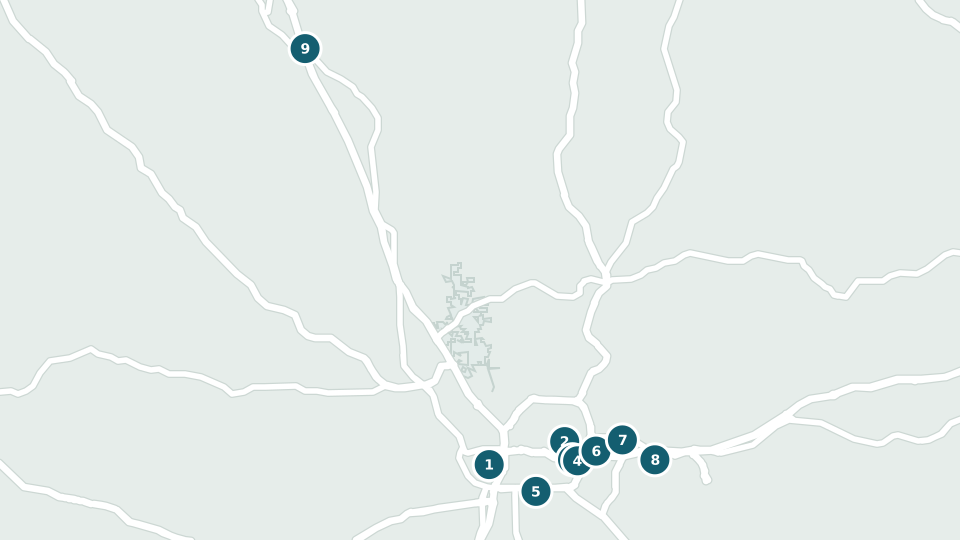
9 options near Millbrook, AL, nearest first. Compare services and locations, then call to check availability.
Call (888) 315-1695Ask about your optionsThis number connects to our central helpline, not directly to a listed facility.
Check which services are available for your needs.
Confirm payment options and any waiting time directly.
Ask what information the program needs from you.
When you first contact an addiction treatment center near Millbrook, you will typically speak with an intake coordinator who will ask about your needs and goals. Be ready to discuss what substances are involved, any past treatment you have tried, and your insurance coverage. You can also ask about the levels of care offered, such as intensive outpatient programs, and whether the program serves adults, men, or women specifically.
Many centers will schedule an initial assessment visit to create a personalized plan before you start.
Call (888) 315-1695
Not every addiction treatment center offers the same kind of program, so it helps to sort them by intensity before you call. Some centers focus only on outpatient counseling, where you meet a therapist or group once or a few times a week. Others offer day programs that run several hours a day, five days a week, for people who need more structure but can still return home at night.
Residential or inpatient centers provide housing, meals, and a full daily schedule of treatment in one place. A practical way to compare is to ask each program the same three questions: what levels of care do you offer, how do you decide which one fits a new client, and what happens if someone needs more or less support partway through.
Call (888) 315-1695Check which services each program reports offering.
Consider travel distance and whether care is in person or remote.
Ask the program directly about payment and coverage.
Confirm how to contact the program and what to expect.
Before your first call, write out a list so you do not forget anything under pressure. Useful questions include: what experience do you have with cases like mine; what levels of care do you provide here; what does the daily or weekly schedule involve; what are the rules around visits, phones, and leaving the facility or program; what is the full cost and what payment options exist; do you bill insurance; how do you handle someone who needs a higher or lower level of care mid-program; and what happens after I finish, such as follow-up sessions or referrals. Their willingness to answer clearly says a lot about how the place operates.
Paying for care at addiction treatment centers in Alabama often involves private insurance, which generally covers a range of services. For those without insurance, public programs like Alabama Medicaid might offer coverage, but eligibility conditions apply and should be confirmed. Additionally, sliding-scale fees are widely used, adjusted according to a person's financial situation, and self-pay is a straightforward alternative.
It is recommended to contact any facility in advance to discuss payment methods and verify what is honored.
A short phone call can tell you a lot about a treatment center. Write down the same questions for each one you call and compare the answers side by side. Good questions include whether they have experience with your situation, what a daily schedule looks like, and what happens if you need a different level of care.
Ask about visitation, rules, and expectations so there are no surprises after you enroll. Compare costs and payment options in writing before committing. Notice how the staff treat you on that first call, too.
If they rush you, dodge your questions, or push you to decide immediately, that tells you something about how the place runs.
When you first contact an addiction treatment center near Millbrook, you will typically speak with an intake coordinator who will ask about your needs and goals.

For urgent situations, emergency services are the fastest route to help. Call 911 if someone is unresponsive, has trouble breathing, has overdosed, or is in any serious or life-threatening situation. Tell the dispatcher plainly what is happening so they can send the right help.
Emergency rooms can also handle urgent withdrawal symptoms or injuries and can connect people to follow-up care. If the danger involves a mental health crisis or thoughts of suicide, the 988 Suicide and Crisis Lifeline by call or text is available around the clock. Reaching out early is safer than waiting to see whether things get worse on their own.
If you or someone else is in immediate danger, call 911 now.
Call (888) 315-16951153 Air Base Boulevard, Montgomery, AL, 36108
Active
215 Perry Hill Road, Montgomery, AL, 36109
Active
4171 Lomac Street, Suite A3, Montgomery, AL, 36106
Active
4720 Woodmere Boulevard, Montgomery, AL, 36106
Active
4385 Narrow Lane Road, Montgomery, AL, 36116
Active
6001 East Shirley Lane, Montgomery, AL, 36117
Active
386 Saint Lukes Drive, Montgomery, AL, 36117
Active
8105 Veterans Way, Montgomery, AL, 36117
Active
2100 Holiday Inn Drive, Clanton, AL, 35046
Active
These lists use only what the 9 active facilities listed for Millbrook report to SAMHSA's FindTreatment.gov. No facility pays to be included or can ask to be moved. Reporting more options is not a measure of quality, outcomes or suitability for any person. A missing option means the facility did not report it to the source, not that it is not offered. Call the facility to confirm everything before relying on it.
How this list is made: each facility scores one point for each of these 5 levels of care (settings) it reports to SAMHSA's FindTreatment.gov (Residential (24-hour); Outpatient; Intensive outpatient; Partial hospitalization / day treatment; Hospital inpatient). A facility needs at least 3 to appear. Facilities are shown from the highest count to the lowest; facilities with the same count are in alphabetical order, which has no other meaning. Up to 10 are shown.
How this list is made: each facility scores one point for each of these 7 payment and cost-assistance options it reports to SAMHSA's FindTreatment.gov (Medicaid; Medicare; Private health insurance; Military insurance (TRICARE); Cash or self-payment; Sliding fee scale; Payment assistance). A facility needs at least 4 to appear. Facilities are shown from the highest count to the lowest; facilities with the same count are in alphabetical order, which has no other meaning. Up to 10 are shown.
How this list is made: each facility scores one point for each of these 4 medications used in treatment it reports to SAMHSA's FindTreatment.gov (Buprenorphine; Methadone; Naltrexone; Medication for alcohol use disorder). A facility needs at least 2 to appear. Facilities are shown from the highest count to the lowest; facilities with the same count are in alphabetical order, which has no other meaning. Up to 10 are shown.
How this list is made: each facility scores one point for each of these 12 age groups and client groups accepted it reports to SAMHSA's FindTreatment.gov (Adolescents; Young adults; Adults; Seniors; Pregnant or postpartum women; Adult women; Adult men; Veterans; Active duty military; Criminal justice clients; Clients who have experienced trauma; Co-occurring mental and substance use disorders). A facility needs at least 5 to appear. Facilities are shown from the highest count to the lowest; facilities with the same count are in alphabetical order, which has no other meaning. Up to 10 are shown.
Bring a valid photo ID, your insurance card, a list of any medications you are currently taking, and any past medical or treatment records if you have them. It also helps to have a list of questions you want to ask about the program.
Many programs welcome a brief tour or a face-to-face meeting before you commit. Call the center to ask if they offer pre-admission consultations or walk-in visits.
Most centers start with an assessment, either over the phone or in person, where a staff member asks about your history, health, and goals. Based on that conversation, they recommend a level of care and explain scheduling, cost, and next steps. Nothing is decided for you at this point; you can take the information and compare it with other programs before committing.
Many people do, especially in outpatient settings, because sessions are often scheduled around typical work hours. Intensive outpatient and day programs take more of your week, sometimes most of a weekday, which may require reduced hours or leave. Residential care means living at the facility, so continuing a job is usually not possible during the program itself. The honest answer varies by program, so bring up your work situation during your first call.
There is no single timeline, but programs usually describe their duration up front. Weekly outpatient counseling can continue for months at whatever pace you and the clinician agree on. Structured day or intensive outpatient programs typically last about one to three months. Residential stays often run thirty to ninety days, sometimes longer. The more useful question is how a center decides when someone is ready to step down, since that shapes your actual timeline more than the brochure does.
Last updated