 National Addiction Treatment Centers
8 West Walton Avenue, Muskegon, MI, 49440
Active
- Outpatient
- Medicaid
- Medicare
- Private insurance
City
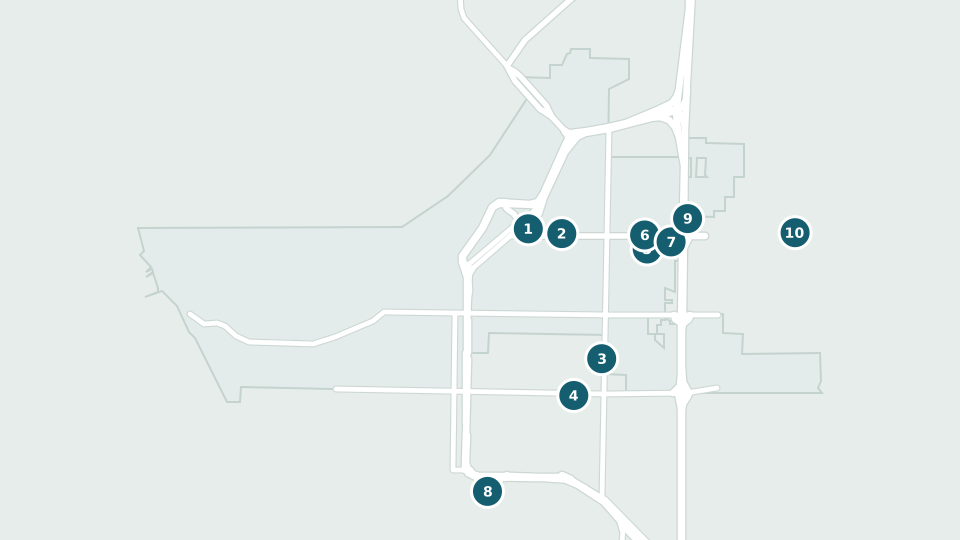
10 options near Muskegon, MI, nearest first. Compare services and locations, then call to check availability.
Call (888) 315-1695Ask about your optionsThis number connects to our central helpline, not directly to a listed facility.
Check which services are available for your needs.
Confirm payment options and any waiting time directly.
Ask what information the program needs from you.
If you are looking into addiction treatment centers in or near Muskegon, the first step is usually a conversation with a program about what you need and what they offer. When you call or visit, it helps to have a few questions ready. You can ask what kinds of care the program provides, whether services are in person or by telehealth, and what a typical schedule looks like.
You can also ask whether they work with your insurance or offer a sliding scale, though details vary by program, so confirming directly is the only way to know for sure. Other useful questions include which languages staff can provide services in, whether family members or support people can take part, and how the program decides when someone is ready to move to a different level of care. If you need services in Spanish, it is worth asking whether bilingual staff or interpretation is available.
Because we cannot confirm specifics such as appointment availability, waiting lists, or accepted coverage from our sources, treat your first contact as a chance to gather that information yourself. Programs generally expect these questions, and asking them up front makes it easier to find a fit that feels right for you.
Call (888) 315-1695
A useful way to compare programs is by how much structure and supervision they provide. Residential treatment surrounds you with daily programming and staff on site. Outpatient treatment lets you keep working or caring for family while attending scheduled sessions.
Some centers also run step-down options, such as intensive outpatient or partial hospitalization programs, where the weekly time commitment gradually decreases. Not every center offers every level, so the first question worth asking is what care types a facility provides and which ones it is licensed to deliver.
Call (888) 315-1695Check which services each program reports offering.
Consider travel distance and whether care is in person or remote.
Ask the program directly about payment and coverage.
Confirm how to contact the program and what to expect.
Prepare a few direct questions before contacting a program. Start with whether it offers the level of care you are looking for and what its admission process involves. Ask who provides the treatment, such as what kinds of professionals run the sessions.
Ask about scheduling, including hours and how many hours per week are expected. Ask about payment options and insurance acceptance. And ask what support exists after the main program ends, since continuity varies widely between centers.
Figuring out how to pay for care at addiction treatment centers in Michigan is often one of the first questions families ask. The most common approach is private insurance, where the extent of coverage depends on the specific policy and the services involved. For residents who qualify, publicly funded coverage may help reduce or eliminate out-of-pocket expenses, but eligibility should be confirmed with the relevant agency or the facility's admissions staff.
Beyond insurance, some programs adjust their fees on a sliding scale according to what a person can afford, and paying out of pocket is always a possibility for those with the means to do so.
When weighing nearby addiction treatment centers, focus on specifics rather than impressions. Ask exactly what services are included, such as individual counseling, group sessions, family involvement, or medication support, and how often each occurs. Compare admission steps, including how soon a program can evaluate you and whether there is a waiting list.
Consider whether the schedule and location are sustainable for you over weeks or months, since a program you cannot realistically attend offers little benefit. Finally, note how staff answer your questions on the first call; clear, unhurried answers often tell you something about how the program treats people.
If you are looking into addiction treatment centers in or near Muskegon, the first step is usually a conversation with a program about what you need and what they offer.

When safety is at risk, contact emergency services immediately by calling 911. This is the right step for suspected overdose, medical collapse, or any threat of harm to yourself or others. If you need urgent support during a mental health or substance use crisis but the situation is not life-threatening, the 988 Suicide and Crisis Lifeline offers free, confidential help by phone or text.
Save both numbers in your phone so you can reach them without hesitation.
If you or someone else is in immediate danger, call 911 now.
Call (888) 315-16958 West Walton Avenue, Muskegon, MI, 49440
Active
376 East Apple Avenue, Muskegon, MI, 49442
Active
2201 South Getty Street, Muskegon, MI, 49444
Active
445 East Sherman Boulevard, Muskegon, MI, 49444
Active
1128 Roberts Street, Muskegon, MI, 49442
Active
1190 East Apple Avenue, Muskegon, MI, 49442
Active
1465 East Apple Avenue, Muskegon, MI, 49442
Active
427 Seminole Road, Unit 200-B, Muskegon, MI, 49444
Active
1611 Oak Avenue, Muskegon, MI, 49442
Active
2734 East Apple Avenue, Muskegon, MI, 49441
Active
These lists use only what the 10 active facilities listed for Muskegon report to SAMHSA's FindTreatment.gov. No facility pays to be included or can ask to be moved. Reporting more options is not a measure of quality, outcomes or suitability for any person. A missing option means the facility did not report it to the source, not that it is not offered. Call the facility to confirm everything before relying on it.
How this list is made: each facility scores one point for each of these 7 payment and cost-assistance options it reports to SAMHSA's FindTreatment.gov (Medicaid; Medicare; Private health insurance; Military insurance (TRICARE); Cash or self-payment; Sliding fee scale; Payment assistance). A facility needs at least 4 to appear. Facilities are shown from the highest count to the lowest; facilities with the same count are in alphabetical order, which has no other meaning. Up to 10 are shown.
How this list is made: each facility scores one point for each of these 4 medications used in treatment it reports to SAMHSA's FindTreatment.gov (Buprenorphine; Methadone; Naltrexone; Medication for alcohol use disorder). A facility needs at least 2 to appear. Facilities are shown from the highest count to the lowest; facilities with the same count are in alphabetical order, which has no other meaning. Up to 10 are shown.
How this list is made: each facility scores one point for each of these 12 age groups and client groups accepted it reports to SAMHSA's FindTreatment.gov (Adolescents; Young adults; Adults; Seniors; Pregnant or postpartum women; Adult women; Adult men; Veterans; Active duty military; Criminal justice clients; Clients who have experienced trauma; Co-occurring mental and substance use disorders). A facility needs at least 5 to appear. Facilities are shown from the highest count to the lowest; facilities with the same count are in alphabetical order, which has no other meaning. Up to 10 are shown.
Start by asking each program what levels of care it offers, whether it accepts your insurance or offers a sliding fee, and whether its schedule and location work for your life. The right fit depends on your needs, so it is fine to contact more than one program before deciding.
Ask what services are available, whether appointments are in person or virtual, which languages staff can serve you in, and how the program involves family or support people if that matters to you. You can also ask how soon a first appointment might be scheduled.
Yes, in most cases. Many people enter treatment because family, friends, employers, or courts have raised concerns, and programs are used to working with people at all levels of willingness. Assessments typically explore your history honestly, and staff can discuss options even if you are unsure about committing. Making the call does not obligate you to enroll.
It is common for people to have more than one concern, such as anxiety, depression, or trauma alongside substance use. Many addiction treatment centers are prepared to address co-occurring mental health conditions, but the depth of that support varies. When you call, ask whether the program treats both concerns together and what specific services it offers for mental health alongside addiction care.
Relapse is a possibility during recovery, and how a program responds matters more than whether it promises prevention. Some centers offer re-engagement plans, extra sessions, or a return to a higher level of care if setbacks occur. Before choosing a program, ask what happens if someone struggles after starting treatment, and listen for an answer that treats relapse as a reason to adjust care rather than a reason for discharge.
Last updated