 National Addiction Treatment Centers
208 23rd Street, Richmond, CA, 94804
Active
- Residential
- Detox
- Medicaid
City
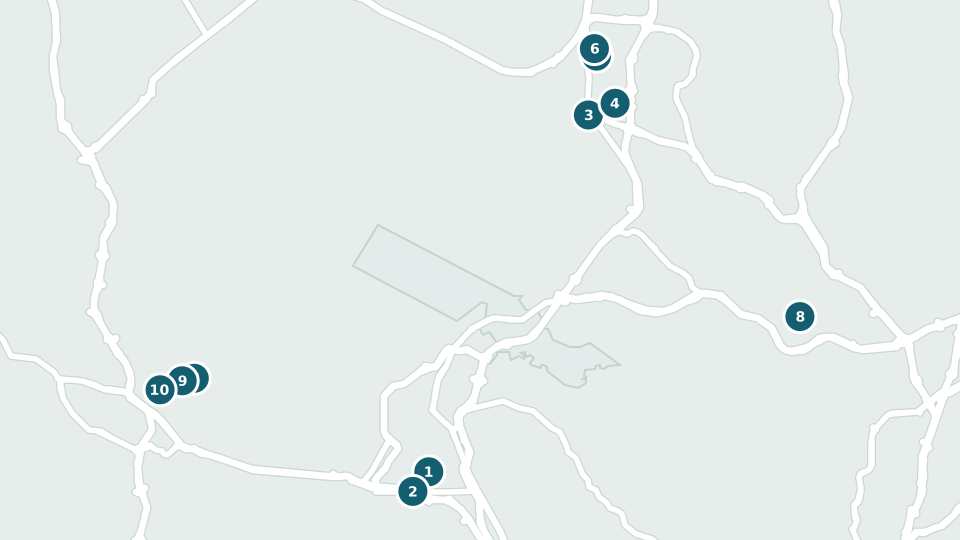
10 options near Pinole, CA, nearest first. Compare services and locations, then call to check availability.
Call (888) 315-1695Ask about your optionsThis number connects to our central helpline, not directly to a listed facility.
Check which services are available for your needs.
Confirm payment options and any waiting time directly.
Ask what information the program needs from you.
When you first contact a program listed here, expect a conversation that covers your situation and what you’re looking for. Many centers will ask about your substance use history, any previous treatment, and your current health needs. Based on verified records, some facilities in this area offer residential detox services, which means you would stay overnight in a structured setting while being medically supervised during withdrawal.
A staff member should explain the admission process, including any assessments required, the typical length of stay, and what to bring. You can also ask about the types of counseling or therapy available, such as individual or group sessions, and whether the program follows a specific treatment model. Use this first call to clarify what kind of support fits your needs and to confirm the center’s location and hours.
Call (888) 315-1695
When you contact an addiction treatment center, one of the first things to figure out is what level of care it offers. Some centers only provide outpatient counseling, while others run residential programs where you stay on site, and some offer a full range that includes medical monitoring, day treatment, and ongoing aftercare. A useful comparison approach is to ask each program the same three questions: what levels of care do you offer, what does a typical week look like at each level, and how do you handle someone who needs more or less support than the current plan provides.
Getting answers in plain language makes it much easier to see which options fit your needs and schedule.
Call (888) 315-1695Check which services each program reports offering.
Consider travel distance and whether care is in person or remote.
Ask the program directly about payment and coverage.
Confirm how to contact the program and what to expect.
Good questions for a first call to an addiction treatment center fall into three groups. About the program itself: what levels of care do you offer, what does the schedule look like, and what approaches do you use in counseling and groups? About logistics: how do I start, how soon could I begin, and what do I need to bring or provide?
About the longer term: how do you decide when someone finishes the program, and what kind of ongoing support do you offer afterward? Getting clear answers to these helps you judge whether a program fits your life, not just your needs.
Payment for addiction treatment centers in California typically involves private insurance, with many plans covering some or all of the cost. Consumers should check with their insurer to understand benefits, deductibles, and network participation. For those without coverage, public programs like Medi-Cal may provide assistance at approved facilities; however, eligibility requirements apply.
Many centers operate on a sliding-fee scale to accommodate varying financial situations, and cash-pay options are standard. Always contact the facility directly to confirm what payment methods they accept, as policies differ widely across the state.
A concrete way to narrow your options is to score each addiction treatment center on the same short list of criteria. First, does it provide the type of care you need, whether that is residential, outpatient, or something in between? Second, does the treatment approach seem like one you could genuinely participate in, whether it is counseling-based, group-focused, or a combination?
Third, can you realistically get there and attend as often as the program requires? Fourth, ask what support exists after the core program ends, since continuing care often shapes long-term success. Writing down answers to these four points for each center turns a vague decision into a clear comparison.
When you first contact a program listed here, expect a conversation that covers your situation and what you’re looking for.

For any situation that feels like an emergency, including a suspected overdose, a medical emergency during withdrawal, or a psychiatric crisis, calling 911 is the right first step. Do not wait to contact a treatment center or wait for a callback from a program, because emergencies need immediate response. The 988 Suicide and Crisis Lifeline is another resource available by call or text for anyone experiencing a mental health or substance use crisis who needs to talk to someone right away.
Once the emergency has passed, that is the time to explore addiction treatment centers for ongoing support.
If you or someone else is in immediate danger, call 911 now.
Call (888) 315-1695208 23rd Street, Richmond, CA, 94804
Active
1313 Cutting Boulevard, Richmond, CA, 94804
Active
419 Pennsylvania Street, Vallejo, CA, 94590
Active
355 Tuolumne Street, Suite 1200, Vallejo, CA, 94590
Active
1628 Broadway Street, Vallejo, CA, 94590
Active
800 Sereno Drive, Vallejo, CA, 94589
Active
53 Dunfries Terrace, San Rafael, CA, 94901
Active
2500 Alhambra Avenue, Martinez, CA, 94553
Active
46 Arguello Circle, San Rafael, CA, 94901
Active
135 Marina Boulevard, San Rafael, CA, 94901
Active
These lists use only what the 10 active facilities listed for Pinole report to SAMHSA's FindTreatment.gov. No facility pays to be included or can ask to be moved. Reporting more options is not a measure of quality, outcomes or suitability for any person. A missing option means the facility did not report it to the source, not that it is not offered. Call the facility to confirm everything before relying on it.
How this list is made: each facility scores one point for each of these 5 levels of care (settings) it reports to SAMHSA's FindTreatment.gov (Residential (24-hour); Outpatient; Intensive outpatient; Partial hospitalization / day treatment; Hospital inpatient). A facility needs at least 3 to appear. Facilities are shown from the highest count to the lowest; facilities with the same count are in alphabetical order, which has no other meaning. Up to 10 are shown.
How this list is made: each facility scores one point for each of these 7 payment and cost-assistance options it reports to SAMHSA's FindTreatment.gov (Medicaid; Medicare; Private health insurance; Military insurance (TRICARE); Cash or self-payment; Sliding fee scale; Payment assistance). A facility needs at least 4 to appear. Facilities are shown from the highest count to the lowest; facilities with the same count are in alphabetical order, which has no other meaning. Up to 10 are shown.
How this list is made: each facility scores one point for each of these 4 medications used in treatment it reports to SAMHSA's FindTreatment.gov (Buprenorphine; Methadone; Naltrexone; Medication for alcohol use disorder). A facility needs at least 2 to appear. Facilities are shown from the highest count to the lowest; facilities with the same count are in alphabetical order, which has no other meaning. Up to 10 are shown.
How this list is made: each facility scores one point for each of these 12 age groups and client groups accepted it reports to SAMHSA's FindTreatment.gov (Adolescents; Young adults; Adults; Seniors; Pregnant or postpartum women; Adult women; Adult men; Veterans; Active duty military; Criminal justice clients; Clients who have experienced trauma; Co-occurring mental and substance use disorders). A facility needs at least 5 to appear. Facilities are shown from the highest count to the lowest; facilities with the same count are in alphabetical order, which has no other meaning. Up to 10 are shown.
Based on verified records, some centers in the area offer residential detox programs, which involve staying at the facility while receiving medical supervision during withdrawal. Other programs may provide outpatient counseling or medication-assisted treatment. It's best to contact each center directly to ask about the specific services they offer for your situation.
Requirements vary by facility. Some programs accept walk-ins or self-referrals, while others may require a referral from a doctor, therapist, or county behavioral health office. When you call, ask the intake staff if a referral is needed and what documents you should bring to your first visit.
Most centers begin with a screening or assessment, either over the phone or in person, where you describe your substance use, medical history, and daily circumstances. Staff use that information to recommend a level of care, such as residential, intensive outpatient, or standard outpatient. You can ask questions during this conversation and are not obligated to commit on the spot. If one center does not offer the level of care recommended for you, ask whether they can refer you somewhere that does.
There is no single standard length, because treatment plans are usually built around the individual rather than a fixed timeline. Some residential stays last several weeks, some last longer, and outpatient programs often unfold over months of scheduled sessions. Many centers also adjust the plan as you progress. When comparing options, ask how they set the expected duration, whether the plan can change, and what kind of support is available after the initial program ends.
Family involvement is common but not universal, so it is worth asking directly. Certain programs include family therapy or educational sessions designed to help loved ones understand recovery and repair relationships. Others may limit contact during certain phases of treatment, especially early on in residential care. If you want your family included, ask each center how they involve relatives, what rules apply to visits and communication, and whether family support continues after the main program ends.
Last updated