 National Addiction Treatment Centers
1340 Mount Pleasant Street, Burlington, IA, 52601
Active
- Residential
- Medicaid
- Private insurance
- Self-pay
City
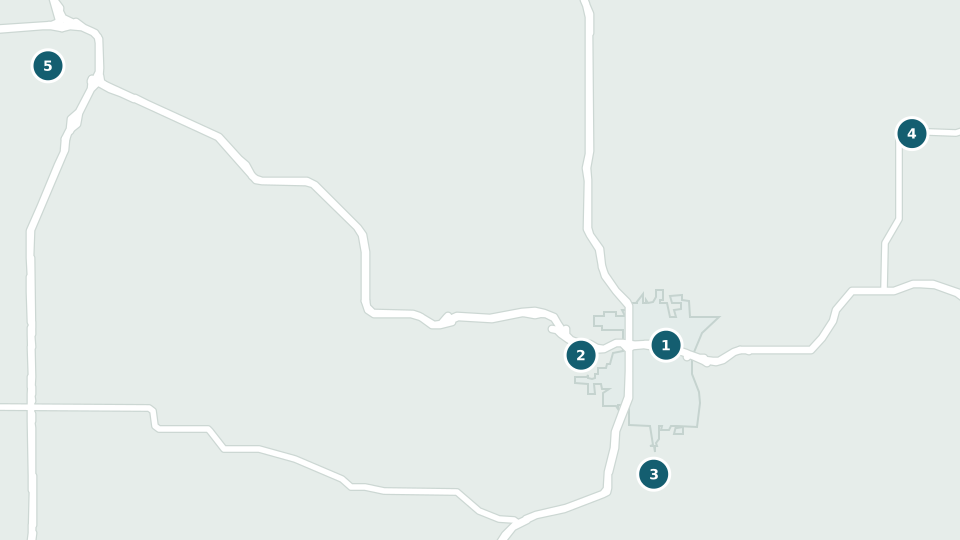
5 options near Burlington, IA, nearest first. Compare services and locations, then call to check availability.
Call (888) 315-1695Ask about your optionsThis number connects to our central helpline, not directly to a listed facility.
Check which services are available for your needs.
Confirm payment options and any waiting time directly.
Ask what information the program needs from you.
When you reach out to a program in the Burlington area, it helps to know what a first conversation usually covers. You can ask who the program serves — for example, whether it works with adults only or also with adolescents — and whether it offers outpatient counseling, intensive outpatient care, or residential treatment. Some programs also provide specialized tracks, such as services for women, support for people involved with the criminal justice system, DUI programs, or help with gambling concerns. It is fair to ask about accreditation as well, since some programs hold third-party accreditation such as CARF.
A good first call also covers practical details: what an intake or assessment appointment looks like, what documents or information to bring, how soon an opening might be available, and how the program handles confidentiality. If you are calling for a loved one, you can ask how family members are included in the process. No single question is required — start with what matters most to you, and let the program walk you through the rest.
Call (888) 315-1695
Comparing addiction treatment centers usually comes down to comparing levels of care, since that determines how much structure and supervision you would receive. At the most intensive end, residential care means staying at the facility full time. Below that, day programs and intensive outpatient schedules offer several hours of treatment on multiple days per week while you continue living at home.
Traditional outpatient services are the least time-intensive. Since this guide does not confirm which specific services any listed center provides, treat your first calls as fact-finding: ask what a typical daily or weekly schedule looks like, whether the program adjusts intensity over time, and what happens if you need a different level of support.
Call (888) 315-1695Check which services each program reports offering.
Consider travel distance and whether care is in person or remote.
Ask the program directly about payment and coverage.
Confirm how to contact the program and what to expect.
Before calling addiction treatment centers, prepare a few questions so the conversation gives you something concrete to compare. Start with, "What levels of care do you provide, and how do you decide which one fits someone?" Follow with, "What does a typical week look like for someone in the program?" and "How long does treatment usually last?" Then cover the practical side: ask about the admissions process, how soon you could start, and what happens if you miss a session. Finally, ask what support exists after the program ends, since continuing care is often part of staying on track.
Paying for rehab in Iowa typically starts with understanding what coverage you already have. A large share of people entering addiction treatment centers use employer-based or marketplace private insurance, which often covers part or all of inpatient and outpatient substance use services, but deductibles, copays, and network rules can change the final bill significantly. State and federal public coverage may be available to those who qualify, and it is always worth confirming eligibility and whether a given program participates.
People who are uninsured or underinsured frequently find help through sliding-scale fees, payment plans, or straightforward self-pay rates. Because every facility sets its own policies, the most reliable move is to contact the center directly and ask for a clear, written explanation of costs before admission.
Start with the kinds of care relevant to your needs.
Check each program’s listed services, location and contact details.
Contact a program to confirm availability, costs and the next step.
Distance, schedule, and fit are the three most practical criteria when choosing between addiction treatment centers near you. Fit means asking what kinds of counseling and group support the program uses and whether those approaches make sense to you. Schedule means confirming the required time commitment and whether it works with your job, school, or family responsibilities.
Distance matters for outpatient care especially, since attending several sessions a week is harder when travel time is long. Also ask each center how they handle missed sessions and what the process is for getting started, because a program you can actually begin and stick with is usually better on paper than a more distant one.
When you reach out to a program in the Burlington area, it helps to know what a first conversation usually covers.

Emergency situations call for emergency services, not treatment program intake lines. If someone is unresponsive, has trouble breathing, shows signs of a serious medical crisis, or expresses intent to hurt themselves or someone else, dial 911 immediately. You can also reach the 988 Suicide and Crisis Lifeline by phone or text for urgent mental health and crisis support, any time of day or night.
Addiction treatment centers play an important role in recovery, but they are set up for scheduled, ongoing care rather than immediate emergencies, so always start with 911 or 988 when safety is at stake.
If you or someone else is in immediate danger, call 911 now.
Call (888) 315-16951340 Mount Pleasant Street, Burlington, IA, 52601
Active
1706 West Agency Road, West Burlington, IA, 52655
Active
4717 Sullivan Slough Road, Burlington, IA, 52601
Active
1204 Highway 164 East, Oquawka, IL, 61469
Active
122 North Main Street, Mount Pleasant, IA, 52641
Active
These lists use only what the 5 active facilities listed for Burlington report to SAMHSA's FindTreatment.gov. No facility pays to be included or can ask to be moved. Reporting more options is not a measure of quality, outcomes or suitability for any person. A missing option means the facility did not report it to the source, not that it is not offered. Call the facility to confirm everything before relying on it.
How this list is made: each facility scores one point for each of these 5 levels of care (settings) it reports to SAMHSA's FindTreatment.gov (Residential (24-hour); Outpatient; Intensive outpatient; Partial hospitalization / day treatment; Hospital inpatient). A facility needs at least 3 to appear. Facilities are shown from the highest count to the lowest; facilities with the same count are in alphabetical order, which has no other meaning. Up to 10 are shown.
How this list is made: each facility scores one point for each of these 7 payment and cost-assistance options it reports to SAMHSA's FindTreatment.gov (Medicaid; Medicare; Private health insurance; Military insurance (TRICARE); Cash or self-payment; Sliding fee scale; Payment assistance). A facility needs at least 4 to appear. Facilities are shown from the highest count to the lowest; facilities with the same count are in alphabetical order, which has no other meaning. Up to 10 are shown.
How this list is made: each facility scores one point for each of these 4 medications used in treatment it reports to SAMHSA's FindTreatment.gov (Buprenorphine; Methadone; Naltrexone; Medication for alcohol use disorder). A facility needs at least 2 to appear. Facilities are shown from the highest count to the lowest; facilities with the same count are in alphabetical order, which has no other meaning. Up to 10 are shown.
How this list is made: each facility scores one point for each of these 12 age groups and client groups accepted it reports to SAMHSA's FindTreatment.gov (Adolescents; Young adults; Adults; Seniors; Pregnant or postpartum women; Adult women; Adult men; Veterans; Active duty military; Criminal justice clients; Clients who have experienced trauma; Co-occurring mental and substance use disorders). A facility needs at least 5 to appear. Facilities are shown from the highest count to the lowest; facilities with the same count are in alphabetical order, which has no other meaning. Up to 10 are shown.
Start with the basics: who the program serves, what types of care it offers (such as outpatient counseling or residential treatment), what an intake appointment involves, and what to bring. You can also ask about confidentiality, accreditation, and any specialized services that matter to your situation, like programs for women, adolescents, or people involved with the criminal justice system.
Some programs offer more than one kind of support — for example, intensive outpatient care alongside services for gambling concerns, DUI-related requirements, or criminal justice involvement. The best way to know is to ask directly during your first call, so the program can tell you exactly what it provides and whether it fits what you need.
Typically, the first step is a phone call where someone gathers basic information about you and explains what the program offers. If it seems like a possible fit, the next step is usually a more detailed assessment to determine what kind of support would work best for your situation. Ask upfront what the assessment covers, whether there is a wait before treatment starts, and what you need to bring or prepare. The exact steps vary by center, so it is fine to ask each one to walk you through their process.
Duration depends on the type of program and your specific needs. A residential program may involve living at the facility for a set period, while outpatient care means attending sessions on a regular schedule over weeks or months. Centers generally assess progress along the way rather than holding everyone to the same end date. A useful question to ask on a first call is how the program decides when treatment is complete and what ongoing support they suggest at that point.
It depends on the center. Some treatment programs build family participation into the plan through counseling sessions or workshops, recognizing that people close to you can play an important role in recovery. Others take a more individual focus and involve family only at specific points or by request. When you call, ask whether family sessions are available, how often they happen, and what expectations the program has for relatives who want to be involved.
Last updated